Most people understand that education is important. But few stop to think about what actually happens — year by year, decade by decade — when a child is denied access to it.
When a child misses school at age six, they fall behind their peers. When they miss it at age ten, the gap widens. By the time they are teenagers, re-entry into formal education becomes increasingly difficult. By adulthood, limited literacy and lack of qualifications lock them out of stable employment, perpetuating the exact cycle of poverty their parents lived through.
This is not a hypothetical scenario. This is the lived reality of hundreds of thousands of children in vulnerable communities across Nigeria.
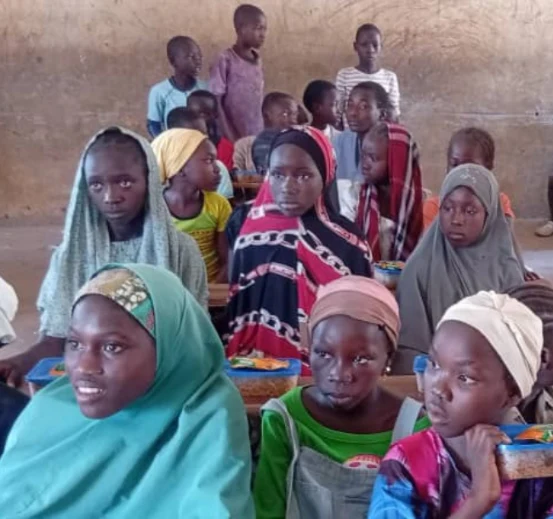
At I-OPEN Kids, we understand that the cost of educational neglect is not just personal — it is societal. Communities that lack educated citizens struggle to develop. Local economies stagnate. Healthcare suffers. Leadership becomes scarce. The ripple effects of keeping children out of school touch every corner of community life.
That is why early intervention matters so much. When we step into a community and provide learning support, we are not just helping one child — we are investing in the future of an entire neighbourhood, town, and generation.
Our programs target children who have either never been to school or who dropped out due to financial hardship or displacement. We meet them where they are, provide the support they need, and walk with them every step of the way.
The question is not whether we can afford to educate Nigeria’s children. The real question is: can we afford not to?